
Introduction
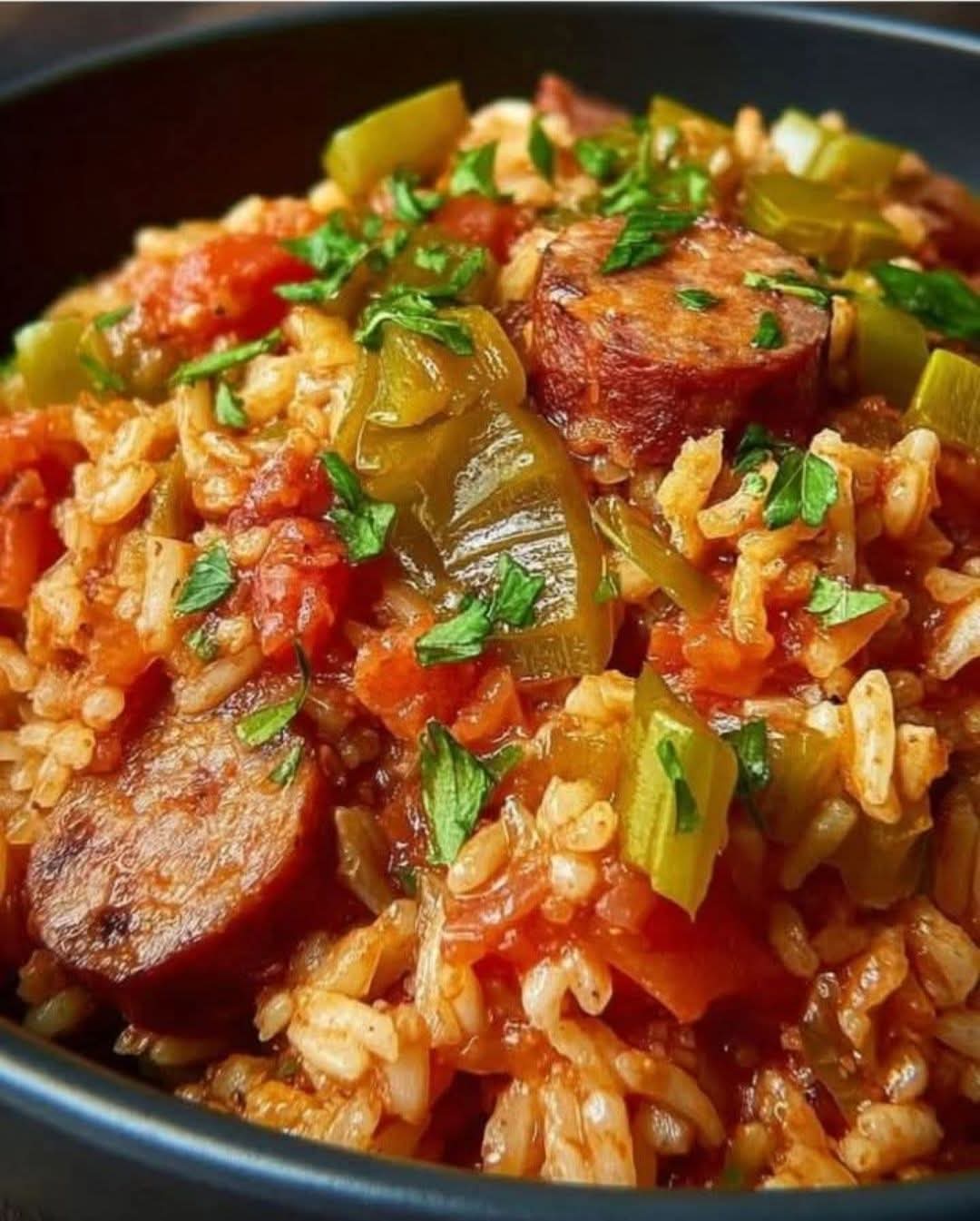
Cajun Cabbage Jambalaya is a hearty, rustic Louisiana dish that blends the bold spices of Cajun cuisine with the earthy sweetness of cabbage. It’s a flavorful, filling one-pot meal that uses simple ingredients yet delivers deep, smoky, and comforting flavors. This version keeps the spirit of traditional jambalaya while adding cabbage for extra nutrition, texture, and a delicious twist. Perfect for weeknight dinners, potlucks, or anytime you’re craving classic Southern comfort.
🥕 Ingredients
Main Ingredients
- 1 lb (450 g) smoked sausage (andouille preferred), sliced
- 1 lb (450 g) ground beef or ground pork (optional but traditional in many versions)
- 1 medium head of cabbage, chopped
- 1 medium onion, diced
- 1 bell pepper, diced
- 2 stalks celery, chopped
- 3 cloves garlic, minced
- 1 can (14.5 oz) diced tomatoes
- 1 cup long-grain white rice (uncooked)
- 3 cups chicken broth
- 2 tbsp tomato paste
Seasonings
- 2–3 tbsp Cajun seasoning
- 1 tsp smoked paprika
- 1 tsp dried thyme
- 1 tsp black pepper
- ½ tsp cayenne pepper (optional, for extra heat)
- 2 bay leaves
- Salt to taste
Optional Add-ins
- Hot sauce
- Green onions, chopped
- Parsley for garnish
🍳 Instructions
- Brown the Meats
Heat a large pot or Dutch oven over medium-high heat. Add the sausage and cook until browned. Remove and set aside. Add ground beef to the same pot and cook until browned. Drain excess fat if needed. - Sauté Aromatics
Add onion, bell pepper, celery, and garlic to the pot. Cook 5–7 minutes until softened and fragrant. - Add Cabbage
Stir in the chopped cabbage. Sauté 5–10 minutes until slightly wilted. - Add Tomatoes and Seasonings
Add diced tomatoes, tomato paste, Cajun seasoning, paprika, thyme, black pepper, cayenne, and bay leaves. Mix thoroughly. - Add Rice and Broth
Add the uncooked rice, sausage, and chicken broth. Stir well to combine. - Simmer
Reduce heat to low, cover, and cook 25–30 minutes until the rice is tender and the liquid is absorbed. Stir occasionally to prevent sticking. - Finish & Serve
Remove bay leaves. Taste and adjust salt or seasonings.
Garnish with green onions and parsley. Serve hot.
🧂 Methods (Cooking Techniques Used)
1. Browning
Creates caramelization on the sausage and beef, building deep flavor layers.
2. Sweating Vegetables
The Cajun “holy trinity” (onion, bell pepper, celery) releases moisture and sweetness, forming the aromatic base.
3. Simmering
Slow-cooking rice with broth and spices absorbs all flavors into one cohesive dish.
4. One-Pot Cooking
Everything cooks in the same pot, maximizing flavor while minimizing cleanup.
📜 History
Jambalaya originated in Louisiana among Cajun and Creole communities as a flavorful, affordable way to stretch ingredients. Traditionally made with rice, smoked sausage, vegetables, and whatever proteins were available, it reflects a fusion of African, French, Spanish, and Caribbean influences.
Cabbage Jambalaya emerged later as a farmhouse adaptation—cabbage was inexpensive, locally grown, and filling. Adding cabbage allowed cooks to bulk up jambalaya during hard times while still preserving its bold flavor.
💚 Benefits of Cajun Cabbage Jambalaya
✔ Nutrient-Dense
Cabbage provides fiber, vitamin C, antioxidants, and gut-friendly compounds.
✔ High in Protein
The sausage and ground meat offer satisfying protein.
✔ One-Pot Convenience
Easy cleanup and efficient cooking.
✔ Flavorful but Budget-Friendly
Uses simple and affordable ingredients with big flavor.
✔ Versatile
Can be made low-carb (omit rice), vegetarian (swap meats for beans), or extra spicy depending on preference.
🧩 Formation (How the Dish Comes Together)
- Base Formation – Browning meat builds a flavorful foundation.
- Aromatic Layer – The “holy trinity” infuses the pot with Cajun flavor.
- Veggie Expansion – Cabbage adds volume, sweetness, and texture.
- Tomato & Spice Integration – Tomatoes and Cajun spices unite the flavor profile.
- Rice Absorption Stage – Rice soaks up broth, meat juices, and seasonings.
- Final Unification – Slow simmering melds everything into a cohesive, savory jambalaya.